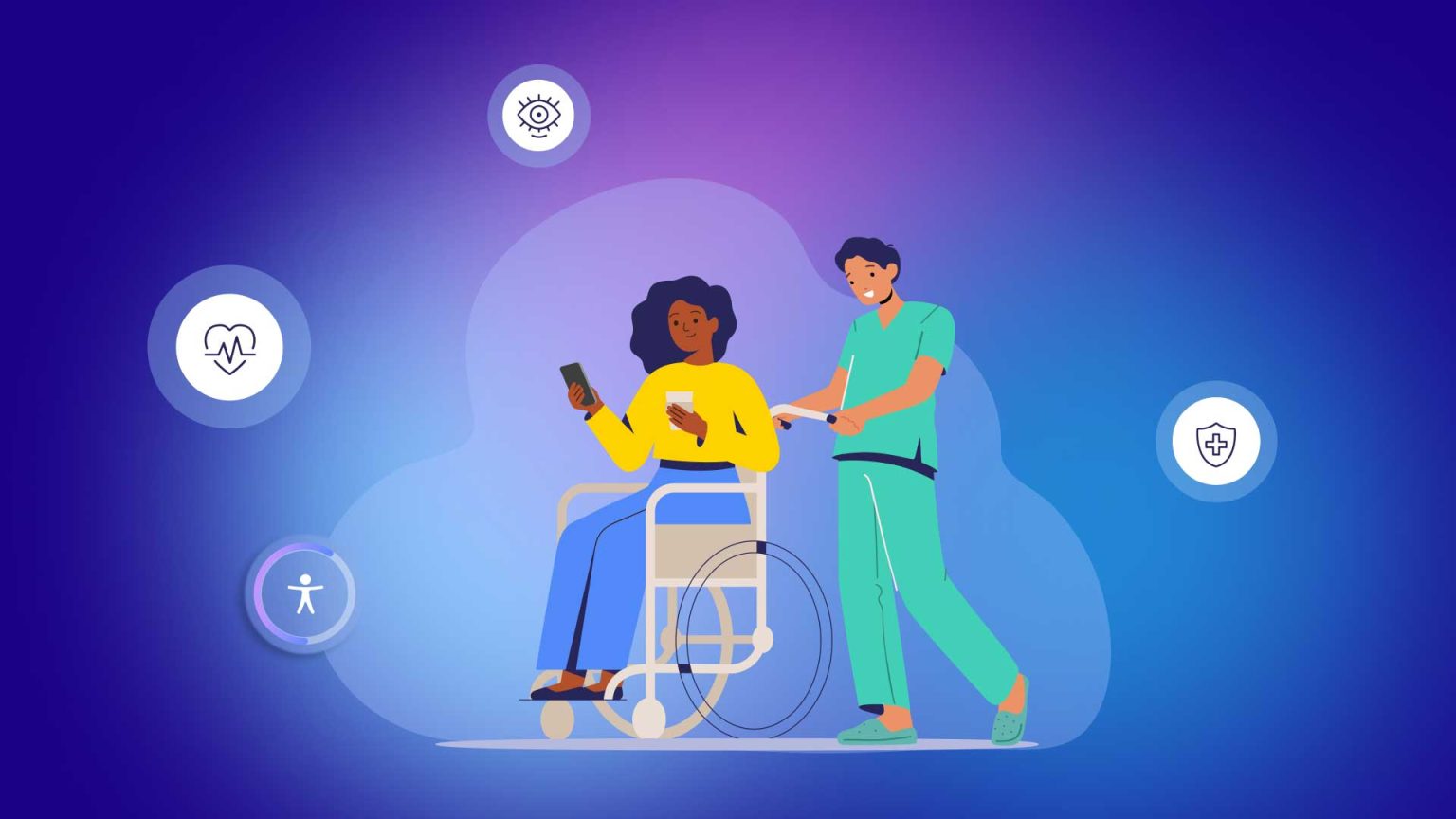
An accessible healthcare system ensures that all individuals, regardless of socioeconomic status, physical ability, location, or other barriers, have the opportunity to receive timely, quality healthcare services. Achieving healthcare accessibility is a critical aspect of promoting public health and improving overall well-being, as it ensures equitable access to necessary medical treatments, preventive care, and health education.
Creating an accessible healthcare system involves addressing various barriers, ranging from financial constraints to geographic limitations and healthcare literacy. In this article, we explore key strategies to build a healthcare system that is inclusive, equitable, and accessible for all.
1. Increase Affordability Through Universal Coverage
Affordability is a significant barrier to healthcare access, particularly for low-income populations or those without insurance coverage. To create an accessible healthcare system, policies must be put in place to ensure that healthcare is affordable for everyone.
- Implement Universal Health Coverage (UHC): Universal coverage ensures that all individuals have access to essential healthcare services without suffering financial hardship. UHC models, like those in many European countries or Canada, provide comprehensive coverage for citizens through public or mixed healthcare systems. Governments can fund healthcare through taxation, enabling access to medical services for everyone, regardless of their income level.
- Subsidies and Sliding Scale Fees: For uninsured or underinsured populations, providing subsidies or implementing sliding scale fee structures based on income can make healthcare more affordable. This helps reduce financial burdens and encourages individuals to seek preventive care, which can prevent more costly treatments down the line.
2. Expand Healthcare Infrastructure in Underserved Areas
In rural and remote areas, a lack of healthcare facilities and professionals can limit access to essential services. Expanding healthcare infrastructure in underserved regions is crucial for ensuring that everyone can receive care, regardless of their location.
- Invest in Rural Healthcare Facilities: Governments should allocate resources to build and equip healthcare facilities in rural and remote areas. This includes establishing primary care clinics, hospitals, and community health centers that can serve as hubs for healthcare services.
- Provide Incentives for Healthcare Professionals: To address the shortage of healthcare workers in underserved regions, governments can offer financial incentives, such as student loan forgiveness or higher salaries, to encourage doctors, nurses, and other healthcare professionals to work in these areas.
- Telemedicine: Telemedicine has proven to be an effective tool for bridging the gap in healthcare accessibility. It allows patients in remote or underserved areas to consult with healthcare providers via video calls, phone, or online platforms. Expanding telemedicine services ensures that individuals can receive medical advice, diagnoses, and even prescriptions without the need to travel long distances.
3. Reduce Language and Cultural Barriers
Effective communication is critical to providing quality healthcare, but language barriers and cultural differences can impede access to care, particularly for immigrant populations and minority groups.
- Multilingual Services: Healthcare providers should offer multilingual services to accommodate patients who speak different languages. This can include hiring bilingual staff or providing professional medical interpreters during consultations. Ensuring that educational materials, consent forms, and medication instructions are available in multiple languages also promotes better understanding and compliance.
- Cultural Competency Training: Cultural competency is the ability of healthcare professionals to understand and respect the diverse cultural backgrounds of their patients. Healthcare providers should undergo training to ensure they can address the unique needs, values, and beliefs of different cultural groups. This helps build trust and encourages patients from diverse backgrounds to seek care.
4. Address Physical Accessibility for People with Disabilities
People with disabilities often face physical barriers that limit their access to healthcare facilities and services. Ensuring that healthcare systems are fully accessible to people with mobility, sensory, or cognitive impairments is essential to creating an inclusive system.
- Make Facilities ADA-Compliant: Healthcare facilities should be designed or retrofitted to comply with the Americans with Disabilities Act (ADA) or similar regulations. This includes ramps, elevators, accessible restrooms, and wide doorways to accommodate wheelchairs. Additionally, healthcare providers should offer adjustable exam tables and other medical equipment that caters to patients with disabilities.
- Accessible Communication Tools: For individuals with sensory impairments, such as those who are deaf or blind, accessible communication tools should be readily available. Healthcare providers should use sign language interpreters, captioning services, and braille materials to ensure that patients can fully understand and engage with their healthcare.
5. Promote Healthcare Literacy and Education
Healthcare literacy refers to an individual’s ability to obtain, understand, and use healthcare information to make informed decisions about their health. Limited healthcare literacy can prevent individuals from seeking care or following through with medical treatments.
- Simplify Health Information: Healthcare providers should ensure that health information is written in plain language and is easy to understand. Medical jargon can be confusing, so simplifying the information helps patients comprehend their diagnoses, treatment options, and preventive care instructions.
- Public Health Campaigns: Governments and healthcare organizations can run public health campaigns to raise awareness about important health topics, such as vaccinations, chronic disease management, and mental health services. These campaigns should be inclusive, targeting different populations through accessible formats, such as social media, community outreach, and radio broadcasts.
- Community Health Workers (CHWs): CHWs are trained individuals from local communities who can help bridge the gap between healthcare providers and the population. CHWs can assist with health education, navigating the healthcare system, and providing basic preventive care services, especially in underserved areas.
6. Streamline Administrative Processes
Complex and time-consuming administrative processes can deter individuals from seeking healthcare. Long wait times, complicated insurance procedures, and inefficient scheduling systems can all create barriers to accessing care.
- Simplify Registration and Scheduling: Healthcare providers should streamline registration, appointment scheduling, and follow-up processes to reduce wait times and administrative burdens. Online patient portals, mobile apps, and automated appointment reminders can make it easier for individuals to book appointments and access healthcare services.
- Coordinate Care: Many patients, especially those with chronic illnesses, require care from multiple healthcare providers. Coordinating care across different specialties and facilities can improve patient outcomes and ensure seamless transitions between care settings. This can be achieved through electronic health records (EHRs) and integrated healthcare networks that facilitate the sharing of patient information between providers.
7. Incorporate Preventive Care and Mental Health Services
Preventive care and mental health services are often neglected areas of healthcare that significantly impact overall well-being. Providing access to these services can reduce the burden of chronic diseases and improve quality of life.
- Focus on Preventive Care: Preventive care services, such as regular screenings, vaccinations, and health check-ups, should be easily accessible to all individuals. Investing in preventive care reduces long-term healthcare costs and improves population health by catching potential health issues early.
- Integrate Mental Health Services: Mental health is an integral part of overall well-being, yet it is often overlooked in traditional healthcare systems. Mental health services, including counseling, therapy, and psychiatric care, should be readily available and integrated into primary care settings. Addressing mental health alongside physical health ensures a holistic approach to patient care.
8. Advocate for Policy Changes and Government Support
Creating an accessible healthcare system requires support from policymakers and government agencies. Advocacy plays a critical role in pushing for healthcare reforms that address accessibility, affordability, and inclusivity.
- Lobby for Policy Reforms: Healthcare professionals, organizations, and community groups should advocate for policy changes that promote healthcare accessibility. This could include pushing for expanded Medicaid coverage, increased funding for rural healthcare, and the development of telemedicine infrastructure.
- Government Support for Innovation: Governments should support healthcare innovation, such as telemedicine, mobile clinics, and healthcare technology that improves access to care. By investing in innovative solutions, governments can help overcome traditional barriers and reach underserved populations.
Conclusion
Creating an accessible healthcare system is a multifaceted challenge that requires addressing financial, geographic, physical, and cultural barriers. By focusing on affordability, expanding infrastructure, improving communication, promoting healthcare literacy, and advocating for policy change, governments and healthcare organizations can build systems that ensure equitable access to healthcare for all. A truly accessible healthcare system improves population health, reduces disparities, and ensures that every individual can receive the care they need.